Buy venusmotorproject.eu ?
We are moving the project
venusmotorproject.eu .
Are you interested in purchasing the domain
venusmotorproject.eu ?
domain@kv-gmbh.de · 0541-91531010
Buy venusmotorproject.eu ?
What are the differences between the Pharmacy Operation Regulation and the Pharmacy Law?
The Pharmacy Operation Regulation typically outlines the specific rules and procedures that pharmacies must follow in their day-to-day operations, such as record-keeping requirements, storage of medications, and dispensing protocols. On the other hand, the Pharmacy Law is a broader set of legal statutes that govern the practice of pharmacy as a profession, including licensing requirements, scope of practice, and regulations related to the sale and distribution of medications. While the Pharmacy Operation Regulation focuses on the practical aspects of running a pharmacy, the Pharmacy Law provides the legal framework within which pharmacies must operate. **
What are the differences between the Pharmacy Operation Regulation and the Pharmacy Act?
The Pharmacy Operation Regulation is a set of rules and guidelines that govern the day-to-day operations of pharmacies, including the handling and dispensing of medications, record-keeping, and the responsibilities of pharmacy staff. On the other hand, the Pharmacy Act is a legislative framework that outlines the overall regulation and governance of the pharmacy profession, including the licensing and registration of pharmacists, the establishment of professional standards, and the enforcement of regulations. While the Pharmacy Operation Regulation focuses on the specific operational aspects of pharmacies, the Pharmacy Act provides the broader legal framework for the practice of pharmacy. **

Similar search terms for Differences Regulation
Top-Angebote
Products related to Differences Regulation:
-
Superior Eco-Friendly Sustainable Cotton 6-Piece Bathroom Towel SetMade with incredibly soft recycled cotton, the Eco-Friendly Sustainable Cotton Bathroom Towel Set is the perfect green addition to any bathroom space. Our sustainable Cotton towels have a lightweight to get you dry quickly after a shower or bath.44,99 $*Shipping: 0,00 $Secure redirect to the provider
-
Superior Eco-Friendly Sustainable Cotton 12-Piece Bathroom Towel SetMade with incredibly soft recycled cotton, the Eco-Friendly Sustainable Cotton Bathroom Towel Set is the perfect green addition to any bathroom space. Our sustainable Cotton towels are lightweight to get you dry quickly after a shower or bath.63,19 $*Shipping: 0,00 $Secure redirect to the provider
-
Superior Eco-Friendly Sustainable Cotton 12-Piece Bathroom Towel SetMade with incredibly soft recycled cotton, the Eco-Friendly Sustainable Cotton Bathroom Towel Set is the perfect green addition to any bathroom space. Our sustainable Cotton towels are lightweight to get you dry quickly after a shower or bath.61,91 $*Shipping: 0,00 $Secure redirect to the provider
-
Superior Eco-Friendly Sustainable Cotton 12-Piece Bathroom Towel SetMade with incredibly soft recycled cotton, the Eco-Friendly Sustainable Cotton Bathroom Towel Set is the perfect green addition to any bathroom space. Our sustainable Cotton towels are lightweight to get you dry quickly after a shower or bath.64,59 $*Shipping: 0,00 $Secure redirect to the provider




-
What exactly are environmental influences and self-regulation, and what are the differences between them in education?
Environmental influences refer to external factors that can impact an individual's behavior and development, such as family, peers, school, and community. Self-regulation, on the other hand, is an individual's ability to manage their thoughts, emotions, and behaviors in order to achieve goals and adapt to different situations. In education, environmental influences can shape a student's learning environment and opportunities, while self-regulation plays a crucial role in a student's ability to focus, set goals, and persist in their learning. The key difference between the two is that environmental influences come from external sources, while self-regulation is an internal process controlled by the individual. **
-
What exactly are the learning environment and self-regulation, and what are the differences between them in education?
The learning environment refers to the physical, social, and emotional context in which learning takes place. It includes factors such as the classroom layout, resources, teacher-student interactions, and peer relationships. Self-regulation, on the other hand, refers to the ability of students to manage their own thoughts, behaviors, and emotions in order to achieve their learning goals. It involves skills such as setting goals, monitoring progress, and adapting strategies to meet challenges. The main difference between the learning environment and self-regulation is that the learning environment refers to the external factors that influence learning, while self-regulation refers to the internal processes that enable students to take control of their own learning. The learning environment sets the stage for learning, providing the resources and support necessary for students to engage in self-regulated learning. In essence, the learning environment creates the conditions for self-regulation to occur. **
-
What are the differences between mass tourism and sustainable tourism?
Mass tourism focuses on attracting a large number of visitors to a destination, often leading to overcrowding, environmental degradation, and cultural disruption. Sustainable tourism, on the other hand, aims to minimize the negative impacts of tourism by promoting responsible travel practices, preserving natural and cultural resources, and supporting local communities. Sustainable tourism also emphasizes the importance of environmental conservation, social equity, and economic development, while mass tourism tends to prioritize profit and visitor numbers. Overall, sustainable tourism seeks to balance the needs of visitors, the environment, and local communities for the long-term benefit of all stakeholders. **
-
What are the differences in electric guitars?
Electric guitars can differ in a variety of ways, including the type of pickups they have (single-coil or humbucker), the type of wood used for the body, the shape and design of the body, the type of bridge and tremolo system, and the number of frets on the neck. Additionally, electric guitars can vary in terms of scale length, neck profile, and the type of electronics and controls they have. These differences can result in variations in tone, playability, and overall feel of the instrument. **


Is this regulation pointless?
Without knowing the specific regulation in question, it is difficult to determine if it is pointless. Regulations are typically put in place to protect public safety, ensure fair competition, or address a specific issue. It is important to consider the context and purpose of the regulation before determining if it is pointless. Consulting experts or conducting a cost-benefit analysis can help evaluate the effectiveness and necessity of the regulation. **
Is a PID controller generally used for the regulation of electric motors?
Yes, a PID controller is commonly used for the regulation of electric motors. The PID controller can adjust the input to the motor based on the error between the desired and actual output, allowing for precise control of the motor's speed and position. This makes it a popular choice for applications such as robotics, industrial automation, and motion control systems. The PID controller's ability to continuously adjust its output based on feedback makes it well-suited for the dynamic and variable nature of electric motor control. **
Top-Angebote
Products related to Differences Regulation:
-
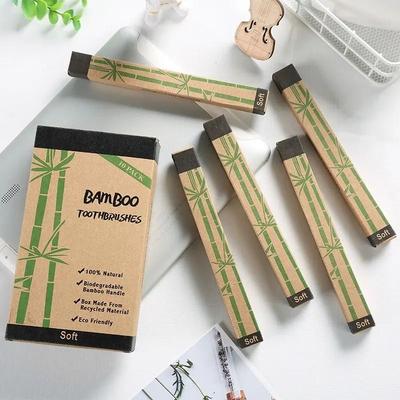
Uplift Essentials Natural Bamboo Eco Friendly Toothbrush 10 Piece Sustainable Family Pack Natural Bamboo Eco Friendly Toothbrush 10 Piece Sustainable Family PackTransition to a greener routine with this Natural Bamboo Toothbrush Set, a premium collection of bamboo products designed to reduce environmental impact without compromising on performance. Each handle is crafted from 100% sustainable bamboo,...37,97 $*Shipping: 0,00 $Secure redirect to the provider
-
Superior Eco-Friendly Sustainable Cotton 12-Piece Bathroom Towel SetMade with incredibly soft recycled cotton, the Eco-Friendly Sustainable Cotton Bathroom Towel Set is the perfect green addition to any bathroom space. Our sustainable Cotton towels are lightweight to get you dry quickly after a shower or bath.78,99 $*Shipping: 0,00 $Secure redirect to the provider
-
Superior Eco-Friendly Sustainable Cotton 6-Piece Bathroom Towel SetMade with incredibly soft recycled cotton, the Eco-Friendly Sustainable Cotton Bathroom Towel Set is the perfect green addition to any bathroom space. Our sustainable Cotton towels have a lightweight to get you dry quickly after a shower or bath.44,99 $*Shipping: 0,00 $Secure redirect to the provider
-
Superior Eco-Friendly Sustainable Cotton 12-Piece Bathroom Towel SetMade with incredibly soft recycled cotton, the Eco-Friendly Sustainable Cotton Bathroom Towel Set is the perfect green addition to any bathroom space. Our sustainable Cotton towels are lightweight to get you dry quickly after a shower or bath.63,19 $*Shipping: 0,00 $Secure redirect to the provider
-
What are the differences between the Pharmacy Operation Regulation and the Pharmacy Law?
The Pharmacy Operation Regulation typically outlines the specific rules and procedures that pharmacies must follow in their day-to-day operations, such as record-keeping requirements, storage of medications, and dispensing protocols. On the other hand, the Pharmacy Law is a broader set of legal statutes that govern the practice of pharmacy as a profession, including licensing requirements, scope of practice, and regulations related to the sale and distribution of medications. While the Pharmacy Operation Regulation focuses on the practical aspects of running a pharmacy, the Pharmacy Law provides the legal framework within which pharmacies must operate. **
-
What are the differences between the Pharmacy Operation Regulation and the Pharmacy Act?
The Pharmacy Operation Regulation is a set of rules and guidelines that govern the day-to-day operations of pharmacies, including the handling and dispensing of medications, record-keeping, and the responsibilities of pharmacy staff. On the other hand, the Pharmacy Act is a legislative framework that outlines the overall regulation and governance of the pharmacy profession, including the licensing and registration of pharmacists, the establishment of professional standards, and the enforcement of regulations. While the Pharmacy Operation Regulation focuses on the specific operational aspects of pharmacies, the Pharmacy Act provides the broader legal framework for the practice of pharmacy. **
-
What exactly are environmental influences and self-regulation, and what are the differences between them in education?
Environmental influences refer to external factors that can impact an individual's behavior and development, such as family, peers, school, and community. Self-regulation, on the other hand, is an individual's ability to manage their thoughts, emotions, and behaviors in order to achieve goals and adapt to different situations. In education, environmental influences can shape a student's learning environment and opportunities, while self-regulation plays a crucial role in a student's ability to focus, set goals, and persist in their learning. The key difference between the two is that environmental influences come from external sources, while self-regulation is an internal process controlled by the individual. **
-
What exactly are the learning environment and self-regulation, and what are the differences between them in education?
The learning environment refers to the physical, social, and emotional context in which learning takes place. It includes factors such as the classroom layout, resources, teacher-student interactions, and peer relationships. Self-regulation, on the other hand, refers to the ability of students to manage their own thoughts, behaviors, and emotions in order to achieve their learning goals. It involves skills such as setting goals, monitoring progress, and adapting strategies to meet challenges. The main difference between the learning environment and self-regulation is that the learning environment refers to the external factors that influence learning, while self-regulation refers to the internal processes that enable students to take control of their own learning. The learning environment sets the stage for learning, providing the resources and support necessary for students to engage in self-regulated learning. In essence, the learning environment creates the conditions for self-regulation to occur. **
Similar search terms for Differences Regulation
-
Superior Eco-Friendly Sustainable Cotton 12-Piece Bathroom Towel SetMade with incredibly soft recycled cotton, the Eco-Friendly Sustainable Cotton Bathroom Towel Set is the perfect green addition to any bathroom space. Our sustainable Cotton towels are lightweight to get you dry quickly after a shower or bath.61,91 $*Shipping: 0,00 $Secure redirect to the provider
-
Superior Eco-Friendly Sustainable Cotton 12-Piece Bathroom Towel SetMade with incredibly soft recycled cotton, the Eco-Friendly Sustainable Cotton Bathroom Towel Set is the perfect green addition to any bathroom space. Our sustainable Cotton towels are lightweight to get you dry quickly after a shower or bath.64,59 $*Shipping: 0,00 $Secure redirect to the provider
-
Superior Eco-Friendly Sustainable Cotton 12-Piece Bathroom Towel SetMade with incredibly soft recycled cotton, the Eco-Friendly Sustainable Cotton Bathroom Towel Set is the perfect green addition to any bathroom space. Our sustainable Cotton towels are lightweight to get you dry quickly after a shower or bath.80,99 $*Shipping: 0,00 $Secure redirect to the provider
-
Superior Eco-Friendly Sustainable Cotton 12-Piece Bathroom Towel SetMade with incredibly soft recycled cotton, the Eco-Friendly Sustainable Cotton Bathroom Towel Set is the perfect green addition to any bathroom space. Our sustainable Cotton towels are lightweight to get you dry quickly after a shower or bath.61,90 $*Shipping: 0,00 $Secure redirect to the provider
-
What are the differences between mass tourism and sustainable tourism?
Mass tourism focuses on attracting a large number of visitors to a destination, often leading to overcrowding, environmental degradation, and cultural disruption. Sustainable tourism, on the other hand, aims to minimize the negative impacts of tourism by promoting responsible travel practices, preserving natural and cultural resources, and supporting local communities. Sustainable tourism also emphasizes the importance of environmental conservation, social equity, and economic development, while mass tourism tends to prioritize profit and visitor numbers. Overall, sustainable tourism seeks to balance the needs of visitors, the environment, and local communities for the long-term benefit of all stakeholders. **
-
What are the differences in electric guitars?
Electric guitars can differ in a variety of ways, including the type of pickups they have (single-coil or humbucker), the type of wood used for the body, the shape and design of the body, the type of bridge and tremolo system, and the number of frets on the neck. Additionally, electric guitars can vary in terms of scale length, neck profile, and the type of electronics and controls they have. These differences can result in variations in tone, playability, and overall feel of the instrument. **
-
Is this regulation pointless?
Without knowing the specific regulation in question, it is difficult to determine if it is pointless. Regulations are typically put in place to protect public safety, ensure fair competition, or address a specific issue. It is important to consider the context and purpose of the regulation before determining if it is pointless. Consulting experts or conducting a cost-benefit analysis can help evaluate the effectiveness and necessity of the regulation. **
-
Is a PID controller generally used for the regulation of electric motors?
Yes, a PID controller is commonly used for the regulation of electric motors. The PID controller can adjust the input to the motor based on the error between the desired and actual output, allowing for precise control of the motor's speed and position. This makes it a popular choice for applications such as robotics, industrial automation, and motion control systems. The PID controller's ability to continuously adjust its output based on feedback makes it well-suited for the dynamic and variable nature of electric motor control. **
* All prices are inclusive of VAT and, if applicable, plus shipping costs. The offer information is based on the details provided by the respective shop and is updated through automated processes. Real-time updates do not occur, so deviations can occur in individual cases. ** Note: Parts of this content were created by AI.